
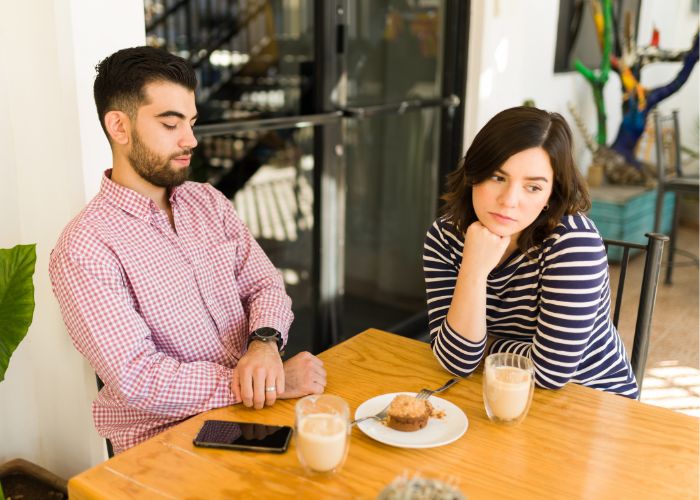



Modern love unfolds in a world shaped by screens. Conversations begin through messages. Affection appears through reactions. Attention is measured in views and replies. Research shows that over 70% of young adults use social media to communicate in relationships, and nearly half feel distracted by phone use during shared time. In this environment, social media relationships have become a defining feature of romantic connections.
These relationships may strengthen emotional bonds or quietly weaken them. Their influence often remains subtle. Many couples feel growing distance without linking it to digital routines.
Recognizing online patterns helps protect trust, intimacy, and relationship stability.
The Rise of Digital Connection in Romance
Romantic connections now develop alongside online presence. Couples communicate throughout the day through messaging apps, shared posts, and public interactions. This constant access creates a sense of closeness. Partners feel updated on each other’s lives even during physical distance.
However, digital closeness differs from emotional presence. Quick messages replace deeper conversations. Shared photos sometimes replace shared experiences. Relationships may increase communication, yet emotional depth does not always grow alongside it.
This shift changes how love is expressed and perceived. Emotional signals once delivered through tone, touch, or timing now travel through text and visuals.

💡 Related - Modern Dating Issues That Create Silent Distance in Love
Attention as a New Form of Affection
Modern romance often treats attention as proof of affection. Social interactions online can signal involvement and priority. Many individuals interpret online responsiveness as emotional investment.
When attention appears inconsistent, insecurity may grow. A delayed reply or unnoticed post can feel personal. Over time, relationships may create new expectations about availability and validation.
Partners begin measuring affection through digital behavior. This quiet change can create confusion. Emotional needs stay unspoken while online actions gain excessive importance.
Comparison and the Illusion of Perfect Love
Social platforms often present curated versions of happiness. Couples share celebrations, travels, and affectionate moments. Such images build compelling stories about ideal romantic connections.
Exposure to idealized content may influence self-perception. People often compare private moments with public romance online. Social media relationships can increase dissatisfaction by focusing on differences.
Over time, comparison may reduce appreciation for everyday connections. The quiet stability of a relationship may feel less exciting. Dramatic stories online can seem more appealing.
Emotional Boundaries in a Connected World
Digital access allows communication with many people at once. Old friendships remain within easy reach. New acquaintances and professional contacts stay constantly accessible. This growing connectivity expands social networks. At the same time, it can complicate romantic boundaries.
Innocent chats begin social media relationships. Talks slowly increase. Night messages feel meaningful. Bonds may deepen elsewhere.
Partners may struggle to define where friendly interaction ends and emotional involvement begins. Without clear communication, uncertainty can lead to mistrust.
💁♀ Also read - What Is Emotional Honesty? The Language of Real Love
Public Validation and Private Doubt
Posting relationship milestones can create moments of shared celebration. Public acknowledgment may strengthen a sense of belonging. Couples often feel proud to display their connection.
Yet reliance on public validation may introduce pressure. When recognition becomes expected, the absence of online gestures may feel disappointing. Social media relationships sometimes encourage performance rather than authenticity.
Partners may focus on how love appears instead of how it feels. This shift can create emotional distance even in visually affectionate relationships.
Misinterpretation in Text-Based Communication
Screens remove tone and context. A brief message may appear indifferent. Humor may seem dismissive. Silence may feel intentional. Social media relationships rely on text, which can be easily misinterpreted.
Repeated misunderstandings can slowly affect emotional safety. Partners may begin to hesitate. Expressing vulnerability feels harder after messages are misread. Communication may turn cautious instead of open.
Strong relationships need clarity. Digital communication works best alongside deeper conversations that bring back emotional depth.
The Impact on Trust and Transparency
Trust develops through consistent behavior and shared understanding. Online environments introduce additional layers of visibility. Followers, private chats, and changing interaction patterns can raise questions.
Social media relationships may trigger doubt. This can happen without intentional wrongdoing. Frequent engagement with a specific person may create unease. Transparency helps maintain emotional security.
Open discussions about online habits help reduce assumptions. When partners understand each other’s boundaries, trust grows more resilient.
Time Investment and Emotional Availability
Time spent online can compete with shared time. Scrolling may signal distraction. Attention becomes divided. Emotional availability can decrease.
Research from the American Psychological Association suggests that nearly 45% of partners feel ignored due to phone use during conversations, highlighting how digital habits can affect emotional presence.
Social media relationships encourage multitasking. Conversations may continue while individuals engage with multiple digital stimuli. This pattern can reduce the quality of presence within romantic interactions.
Couples who protect focused time together often report a stronger connection. Intentional boundaries around device use support deeper emotional engagement.
Strengthening Love in the Digital Era
Modern romance does not require rejecting technology. Balanced use supports love. Social media relationships can strengthen connections when partners remain mindful.
Healthy ways to use digital platforms include -
1) Sharing appreciation through messages or thoughtful posts
2) Staying emotionally connected during long-distance phases
3) Celebrating meaningful milestones and achievements together
4) Setting clear boundaries around online interaction with others
5) Protecting device-free time for focused conversations
6) Using technology to resolve misunderstandings quickly
7) Encouraging transparency in social media habits
8) Supporting each other’s personal growth and social circles
Honest dialogue about online behavior builds understanding. It reduces confusion between partners. Emotional awareness improves digital habits. Platforms then support closeness instead of distraction.
Relationships grow strongest through consistent respect and intentional communication. Screens may shape interaction, yet emotional commitment continues to define the bond.
Recommended read - How to Attract a Soul Mate Without Emotional Burnout
Modern Love in the Age of Social Media Awareness
Social media relationships slowly influence emotional perception and expectations in modern love. These digital patterns rarely cause sudden change. Instead, they gradually shape how partners interpret affection and security. Modern love evolves alongside technology. Awareness of these patterns allows couples to adapt wisely.
Giving equal value to real moments and digital contact protects lasting emotional closeness. 📱