
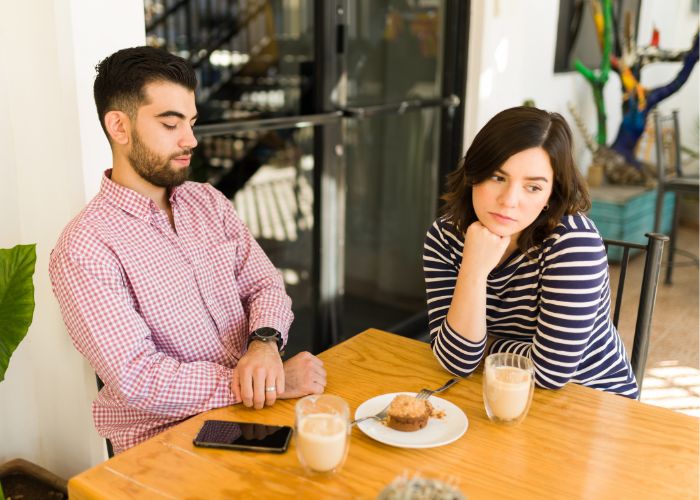



A simple post can help couples share joy with friends. It can also make every moment feel worth displaying. Soon, private feelings may become public content. Not every memory needs an audience. Love needs quiet space to grow. That is where social media boundaries for couples matter.
Clear boundaries help both partners feel respected online. They make sharing feel safer. Privacy does not mean hiding a relationship. Trust does not require access to an account.
They are about agreeing on what feels comfortable for both people. They also protect the trust that exists between them.
Why Privacy Matters in a Relationship
A relationship holds memories, conversations, and choices shared in private. Some moments carry more meaning than they show. Not every part of that life belongs online.
A post made without asking can feel exposing. One partner may see a harmless photo. The other may see a private moment shared too soon. Consent protects both people.
Social media boundaries for couples give partners space to make decisions without an audience. They keep private matters close to the people living them. Outside comments can easily change the shape of a small concern. Some choices are best made by two people alone.
“Once we started asking before we posted, it changed the feeling of it,” Olivia said. “We were not hiding our relationship. We were simply keeping the parts that mattered most between us.”

💡Related - Social Media Relationships and the Hidden Impact on Modern Love
What Are Social Media Boundaries for Couples?
Social media boundaries begin with understanding. Couples should discuss what feels private. Clear agreements protect trust. Both partners should feel safe online.
Every couple has a different sense of what should remain private. Some enjoy sharing each journey, while others prefer to keep their life away from public view. Neither choice weakens a relationship. What matters is that both people feel respected.
44% said social media had a negative impact on their close relationships (Relationships).
No couple needs a long list of rules for social media. What they need is a shared sense of care. Some moments can be posted without concern. Others deserve a conversation before they are made public.
Talk About What You Are Comfortable Sharing
The first step is simple. Talk openly about social media.
A post may seem ordinary to the person sharing it. To the other partner, it may reveal more than they wished to show. Talk about what kinds of photos, stories, and updates feel right for both of you. Respect begins when neither person has to guess what will appear online.
Questions worth discussing include -
1) Are we comfortable posting photos of each other without asking first?
2) Do we want to share relationship milestones publicly?
3) Are there certain moments we want to keep just for ourselves?
4) Is it okay to post photos from dates, vacations, or family events?
5) How much should we share about our children, home, work, or daily routine?
6) Are there topics that should never be discussed online?
These conversations may feel small at first, but they prevent misunderstandings later.
“Talking about it changed everything,” Daniel said. “We learned to ask before we shared.”
Ask Before Posting Photos or Videos
One practical social media boundary is asking before posting your partner. It helps both people feel respected and in control of what is shared.
One partner may see a lively photograph worth sharing. The other may see an unflattering image or a place they do not want made public. Neither response is unreasonable. A quick question shows care for both views.
Private moments deserve extra care. Family events and time with children can feel personal. Screenshots and voice notes need the same respect. Ask before sharing them online.
A quick “Are you okay with me posting this?” can protect trust more than people realize.
💁♀Also read - Texting Boundaries in Relationships That Keep Communication Healthy
Keep Arguments and Relationship Problems Offline
Every couple has disagreements. That is normal. Posting about them online usually makes things worse.
A vague caption can seem like a harmless release. Yet strangers often read more into it than the writer expects. The partner may feel exposed before the issue is even understood. Private conflict becomes harder to settle once an audience has entered.
A disagreement should be addressed with the person involved, not with an audience.
Anger can make public words feel necessary. But posts remain after feelings change. Ask if sharing will fix anything. A calm conversation is usually better.
25% of U.S. partnered cell phone owners felt their partner was distracted by a phone when together (Pew Research).
Agree on What Relationship Details Stay Private
Couples should decide which personal details stay private. Clear limits make online sharing feel safer for both partners.
Financial choices and family troubles often belong to the private side of life. They can be shared online, but only with care. One partner may welcome openness while the other may not. Mutual consent should guide the decision.
A new job may need to remain private before an official announcement. A family struggle may be too personal for social media. Each person has a different sense of what should remain unseen. Respecting that limit strengthens the relationship.
Privacy does not mean secrecy. It means treating sensitive details with care.
Be Thoughtful About Location Sharing
Location tags can reveal more than people expect.
Real-time posts can reveal more than a good moment. A restaurant or gym may expose a routine. For couples with children, this can affect safety. Posting later protects privacy.
Post a location after you have left it. The moment can still be shared without revealing where you are. Home and school details deserve greater care. Privacy is often protected through small choices.
Online privacy affects more than how people feel. It can also protect where they live and how they move through the day. Clear boundaries help couples keep both safe.
“Once we started posting after we left places, it felt easier to enjoy the moment,” Daniel said. “We could still share our memories without making our routine public.”
Respect Each Other’s Digital Independence
Being in a relationship does not mean giving up personal space online.
Trust does not require every password. Reading messages can feel like surveillance. Demanded access often creates anxiety. Trust should be freely given.
Trust is built through honesty, consistency, and communication. It is not built through constant digital access.
Some couples share passwords for ease or peace of mind. As part of healthy social media boundaries for couples, this can work when both people choose it freely. It should never be treated as a test of love. Trust cannot be demanded through access.
A relationship should leave room for individual friendships. Private conversations and personal space still matter.
Set Boundaries Around Exes and Flirty Interactions
Past relationships can remain visible online for years. This does not always threaten a current relationship. Honest boundaries help both partners feel secure.
Some online habits seem small until they cause doubt. A follow, an old photo, or a late night message can affect trust. Social media boundaries for couples help partners decide what feels respectful and what may cause pain.
Honesty is safer than secrecy. A small online action can matter more than it seems. If it would hurt a partner in person, talk about it early. Clarity prevents bigger problems.
Healthy boundaries should be based on mutual respect, not fear or control.
“Boundaries were never about controlling each other,” Emily said. “They helped us protect the trust we had already built.”
Avoid Comparing Your Relationship to What You See Online
Social media often shows carefully chosen moments. The smiles are real, but they are only part of the story. Most relationships live beyond the frame.
Other couples’ posts can create pressure. Your relationship may seem too quiet beside polished images. Bigger dates and public gestures can feel necessary. But real closeness is not always visible online.
A strong relationship does not need to perform for an audience.
The best moments are often the ones no one else notices. A walk without phones can bring two people closer. So can a patient conversation at the end of a long day. These moments ask for no audience.
Revisit Your Boundaries as Your Relationship Changes
Social media boundaries are not something you discuss once and never revisit.
Your comfort level with social media boundaries for couples may change as the relationship grows. Moving in, getting engaged, having children, or facing a difficult season can shift what feels private. New platforms may also bring new questions.
Checking in helps couples stay close. It keeps small concerns from growing. “Are you still comfortable with how we share things online?” opens the conversation. “Is there anything you want us to handle differently?” makes space for honesty.
These conversations do not need to be formal. They simply show that both partners care about protecting each other.
“We were not trying to make rules for every post,” one partner said. “We just wanted to make sure that what felt private to one of us was respected by both of us.”
Recommended read - How to Flirt With Emojis Without Sounding Cringey
Protecting Privacy Builds a Stronger Relationship
Healthy social media boundaries for couples begin with open communication. They rely on consent and mutual respect. They should help both partners feel safer, never more controlled.
A relationship does not become real because it is posted online. Its strongest moments often pass without witnesses. They live in quiet talks, unseen kindness, and shared memories. These private moments can hold a couple closer than any public display.
Clear agreements help social media feel more respectful and less stressful. 📱